
Recently, India has been hailed as the fourth most equal country in the world, based on a Gini Index score of 25.5, according to a World Bank report. This figure places India ahead of major economies like China and the United States, suggesting a narrowing gap between the rich and the poor.
But is this headline as straightforward as it seems? A closer look at the numbers and the methodology reveals a more nuanced and complex reality.
Understanding the Gini Index: consumption vs income
The Gini Index is a commonly used measure of inequality, ranging from 0 (perfect equality) to 100 (maximum inequality). The score of 25.5 attributed to India is based on consumption inequality how evenly people spend money—not on income or wealth inequality.
This distinction is crucial for two key reasons:
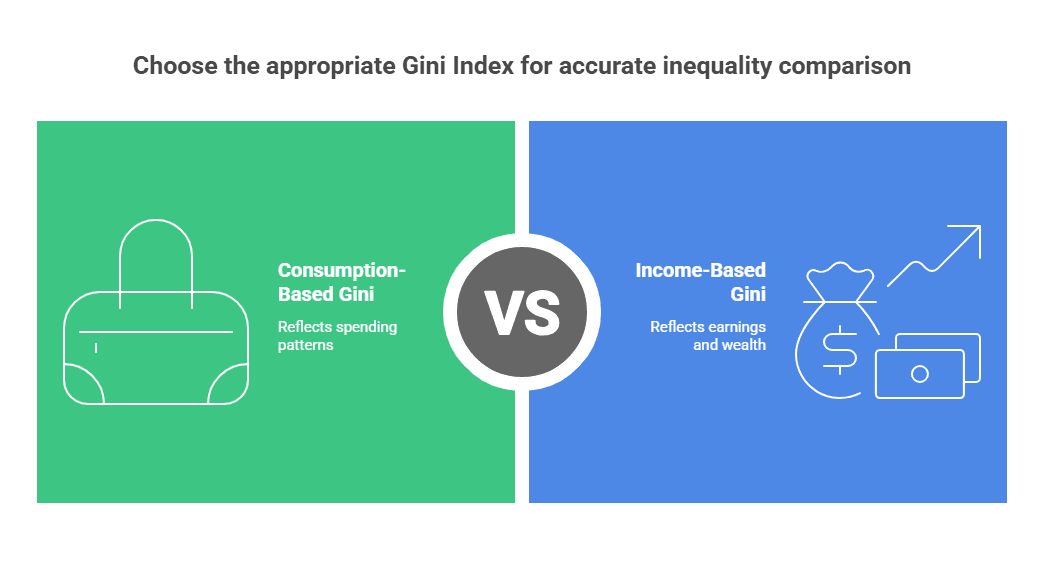
Consumption inequality is typically lower than income inequality, since wealthier households save or invest much of their income rather than spend it.
Comparing India’s consumption-based Gini to other countries’ income-based Ginis is misleading, like comparing apples to oranges. It can create a distorted picture of actual inequality levels.
What does the broader data say?
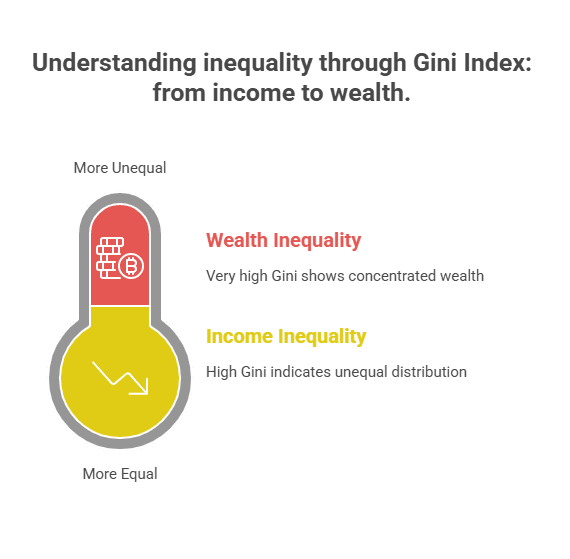
When we shift the lens to income inequality, India’s story changes significantly. According to the World Inequality Database, India’s income-based Gini Index is approximately 61, ranking it 176th out of 216 countries. That places India among the most unequal nations globally in terms of income distribution.
The picture becomes even more stark when looking at wealth inequality. In 2023, India’s wealth Gini Index stood at 75, highlighting a strong concentration of wealth in the hands of a small elite.
Why does consumption inequality appear lower?
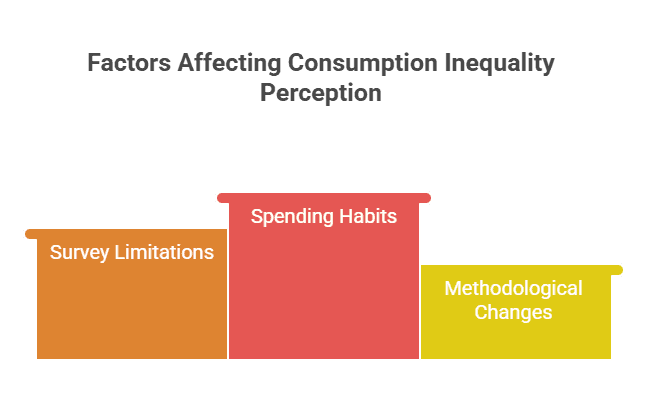
There are several reasons why India's consumption inequality looks less severe:
Poorer households tend to spend most or all of their income, while wealthier households save or invest much more.
Surveys like those conducted by the National Sample Survey Organisation (NSSO) often under-represent both the ultra-rich and the ultra-poor, which can lead to underestimation of inequality.
Methodological changes over the years also make it difficult to compare current data with past estimates or with other countries.
Progress India has made
Despite these disparities, there have been notable improvements:
Extreme poverty has seen a sharp decline, from 16.2% in 2011 to just 2.3% in 2023.
Government programmes such as Jan Dhan Yojana (banking access), Aadhaar (digital ID), and Direct Benefit Transfers have brought millions into the formal financial system.
Over the past decade, consumption inequality has declined modestly in both rural and urban areas, suggesting that the distribution of spending power has become slightly more balanced.
The ground reality: inequality persists
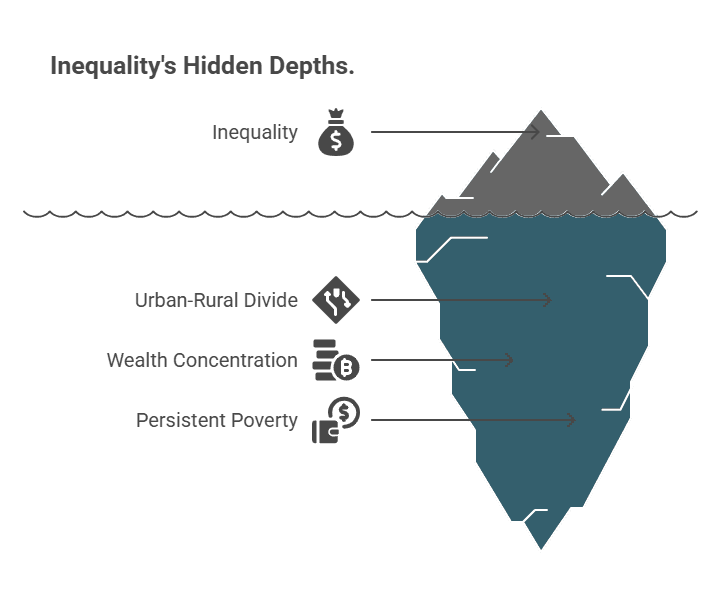
However, the urban-rural divide remains wide, with rural areas still facing limited access to quality education, healthcare, and employment. Wealth concentration in cities contrasts sharply with widespread poverty and informal settlements.
The richest 1% hold a disproportionate share of wealth, and many families continue to struggle despite overall economic growth.
Is India truly on the path to real equality?
The consumption-based Gini score of 25.5 does reflect some positive developments, especially in spending patterns. However, it doesn’t tell the full story. The headline that India is the world’s fourth most equal country is misleading when not viewed alongside income and wealth data.
If India is to move toward genuine equality, it must:
Invest more in rural development, education, and public healthcare
Address structural barriers linked to caste, gender, and geography
Use income and wealth inequality metrics alongside consumption data to create informed and inclusive policies
What does this mean for India’s future?
India’s path to a fairer society is one of measurable progress mixed with persistent inequality. While millions have lifted themselves out of poverty and gained access to the formal economy, deep income and wealth divides remain.
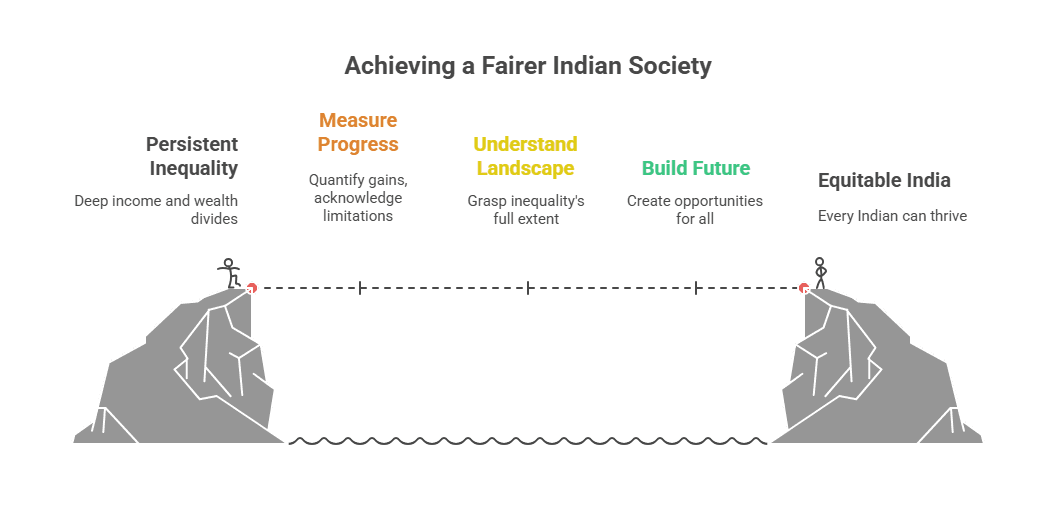
Understanding the limitations of current measurement tools—and going beyond surface-level headlines is essential. Only when we fully grasp the inequality landscape can we build a future where every Indian, whether in a city or village, has a real chance to save, grow, and thrive.
How has financial inclusion or inequality affected your community?


Pockvue Solutions Private Limited
#1, CRE Spacez, 2nd Floor, 14th Main Road,
Sector 5, HSR Layout, Bengaluru - 560102