

The $16 Billion Resignation: Should You Worry About Your Savings?
In every community, there’s that one reliable family elder, the one everyone looks up to. They’ve been around for ages, always there to offer wisdom and stability. In the world of banking, HDFC Bank was that “elder.” It was the kind of institution that families trusted to hold their savings, provide stability, and ensure their hard-earned money was safe. For many, HDFC Bank served as a cornerstone of financial security: dependable, steady, and always in control.
But in March 2026, the unexpected happened. Atanu Chakraborty, the chairman of HDFC Bank, announced his sudden resignation. The financial world, particularly the stock market, was rocked. The HDFC Bank chairman’s resignation caused a shocking $16 billion market crash.
But why did this happen? Why did the departure of one man, have such a dramatic impact on the entire financial ecosystem? And perhaps more importantly, why did Atanu Chakraborty’s exit trigger such strong reactions about the values and ethics at the heart of banking?
As the markets opened the next morning, a bigger question started to loom over every Indian household: Could this event affect your savings, your retirement plans, or even your child’s education fund?

The Midnight Letter That Shook the Markets
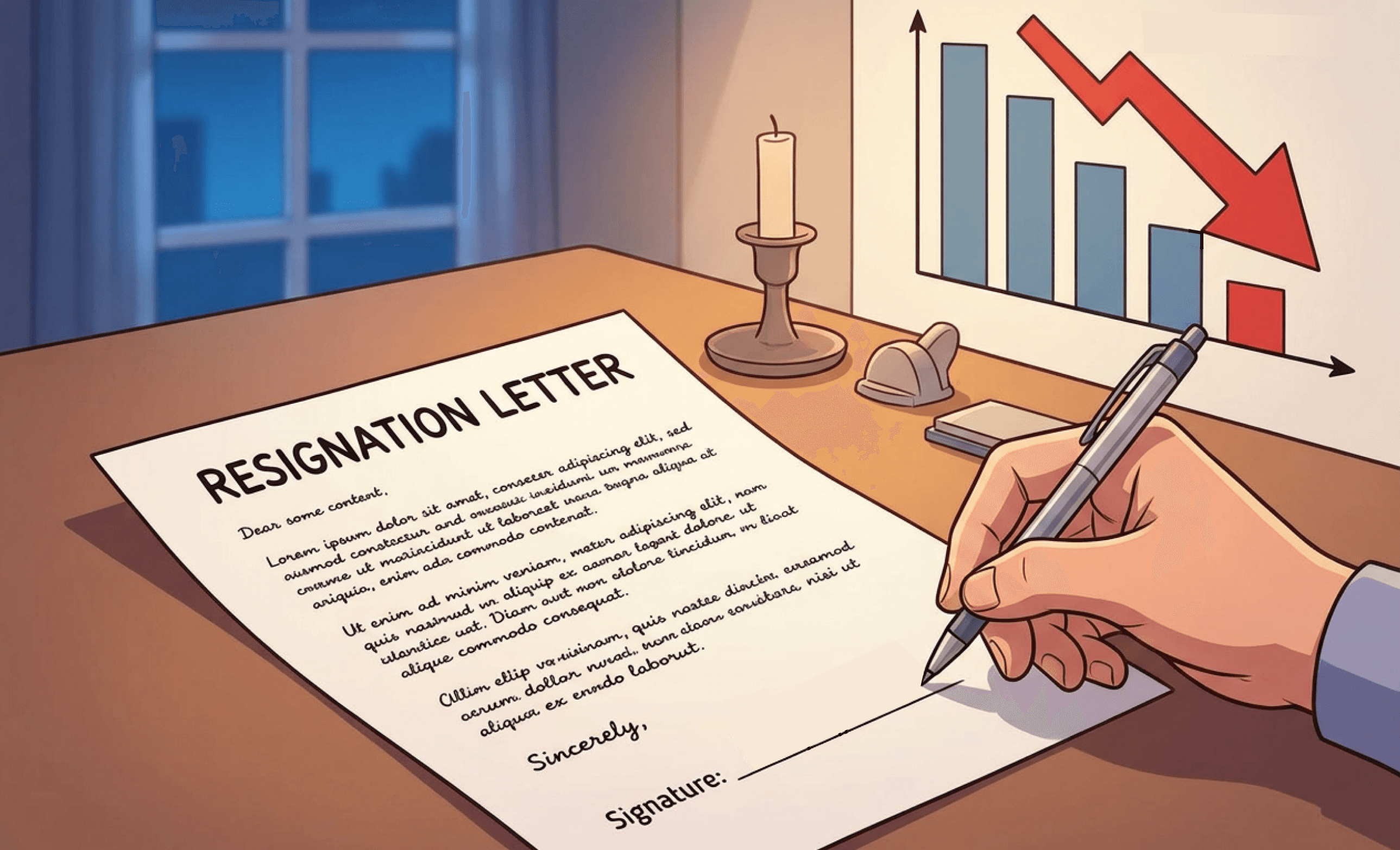
In the early hours of March 2026, Atanu Chakraborty’s resignation letter was made public. The chairman, after leading HDFC Bank through some of its most successful years, shocked everyone by stating that certain practices at the bank were “not in congruence with my personal values and ethics.” This letter, sent in the dead of night, caused ripples across the financial world, leaving both investors and customers in complete confusion.
What made the resignation so impactful was not that it was sudden, but the reason given; there was a culture clash at the top. Chakraborty did not point to any illegal activities or violations of the law. Instead, he felt the direction in which the bank was going was no longer aligned with his own personal beliefs. For many, this was a stark reminder of how much a bank’s leadership values like ethical leadership, governance, and trust impact its long-term stability.
The immediate result of the resignation was evident: $16 billion was wiped off the market capitalization of HDFC Bank within hours. For an institution that had been one of the most trusted banks in India, this was a huge blow. But as the market continued to react, one big question loomed: How much should we worry when banking trust and ethics are suddenly questioned at the highest levels?
Why ‘Ethics’ is an Expensive Word in Banking
While the resignation of Atanu Chakraborty might have appeared as a mere leadership change at first, the implications were far-reaching. HDFC Bank had built its sterling reputation over decades, one of reliability and security. And in the world of banking, trust is everything. When trust is compromised, even for ethical reasons, it has tangible consequences.
What made this situation particularly alarming was the impact on corporate governance for families. It wasn’t just about a leadership shuffle; it was about the bank’s values and ethics being questioned. When these core beliefs are challenged, it leads to a loss of confidence. Investors and customers, who see their wealth in terms of security and stability, were understandably shaken.
The market’s immediate response was a massive $16 billion market cap drop. While this might seem like a reaction to a leadership change, it was also a reflection of something deeper: the cost of ethics and trust in banking. A governance gap is often as costly as any financial crisis, and this case proved that point.

The Boardroom vs. The Passbook
The resignation at HDFC Bank serves as a stark reminder that corporate governance affects more than just the balance sheets; it directly impacts your wallet. While you might not be a shareholder or investor in HDFC Bank, as a customer or depositor, the culture at the top has a direct impact on your banking trust and ethics.
When you deposit money in a bank, you expect the leadership to manage it prudently. You trust the bank to keep your money safe, to provide returns, and to handle your financial needs effectively. But when there is internal conflict or a leadership change, it can signal instability: instability that could affect everything from interest rates to your loan eligibility.
Banking trust and ethics are built on long-term consistency. The exit of Atanu Chakraborty, while not related to illegal activities, highlighted a deep issue: the potential for instability in leadership. This instability creates a ripple effect that ultimately impacts you, the everyday customer. From interest rate hikes to changes in loan terms, you, the depositor, can feel the shift.
Is Your Money Actually at Risk?
After the initial shock and market disruption, many families were left wondering: Is my money safe? The Reserve Bank of India (RBI) quickly intervened, assuring the public that there were “no material concerns” about HDFC Bank’s financial health. But how can we trust these assurances?
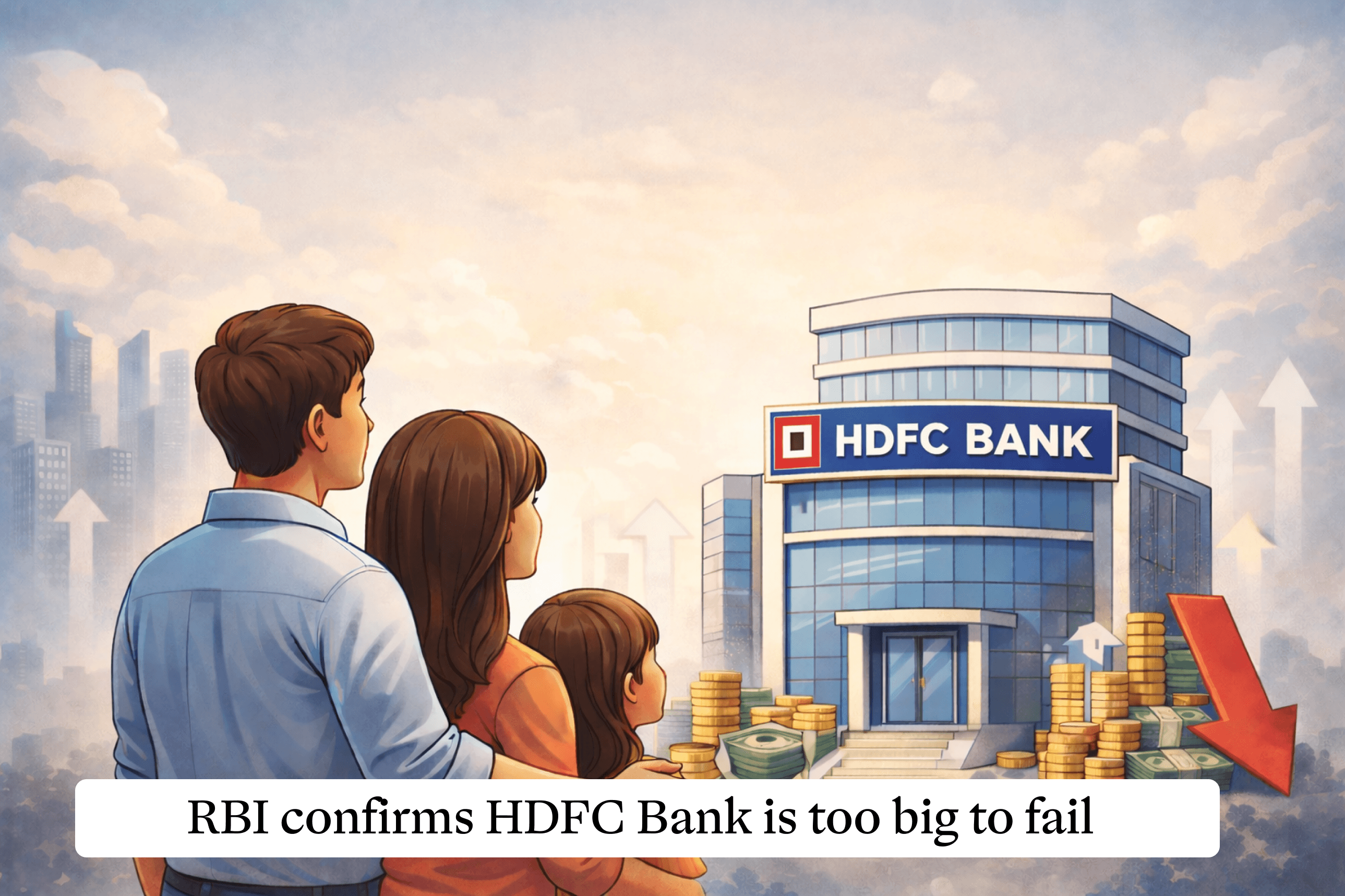
To understand this better, it’s important to note that HDFC Bank is a Systemically Important Bank (SIB). This designation means it is too large to fail and is closely monitored by regulators. HDFC Bank has always maintained a robust financial base, with healthy reserves and a stable income stream. Despite the resignation’s immediate market impact, the RBI’s stance is based on the confidence that HDFC Bank remains solid.
For parents and families concerned about their household savings, it’s essential to remember that Indian private sector banks like HDFC Bank are heavily regulated. While leadership changes can cause short-term market volatility, they don’t usually pose an existential threat to your savings.
Lessons for the Next Generation of Investors
So, what can students and young adults learn from this situation? The HDFC Bank chairman’s resignation is a clear lesson about paying attention to red flags when it comes to investing. As a future investor, knowing when to take action, whether it’s to buy, hold, or sell, requires understanding not just the market trends but also the culture and governance of the company you’re investing in.
The exit of Atanu Chakraborty has brought to light how critical ethical leadership is in ensuring long-term financial health. For students who are interested in careers in finance, understanding that good governance goes beyond legal compliance is key. It’s about transparency, trust, and building a culture that aligns with customer values. Even small cracks in corporate ethics can have huge consequences, and recognizing these signs will help future investors make better decisions.

Newly Launched

Pockvue Solutions Private Limited
#1, CRE Spacez, 2nd Floor, 14th Main Road,
Sector 5, HSR Layout, Bengaluru - 560102