
The Commodity That Quietly Runs the World
Imagine waking up tomorrow and discovering that the global oil supply has suddenly dropped by 20%. Flights would become expensive almost overnight. Petrol prices would spike. Transport costs would surge. Within weeks, food prices could begin rising across several countries.
This chain reaction happens because oil is not just another commodity; it sits at the foundation of the modern global oil market. Every truck delivering goods to stores, every cargo ship crossing oceans, and every airplane connecting continents relies on oil somewhere in its oil supply chain.
And unlike many resources, oil is not evenly distributed across the planet. A small group of nations controls the majority of the world’s oil producing countries, while billions of people depend on the energy those nations supply.
Understanding how this system works reveals something fascinating: the global economy is quietly shaped by a handful of regions, shipping routes, and political decisions. But before oil travels across oceans and economies, we must first understand why it remains the world’s most strategic commodity.
Why Oil Is Still the World’s Most Strategic Commodity
Despite rapid growth in renewable energy, oil still dominates the world’s energy system.
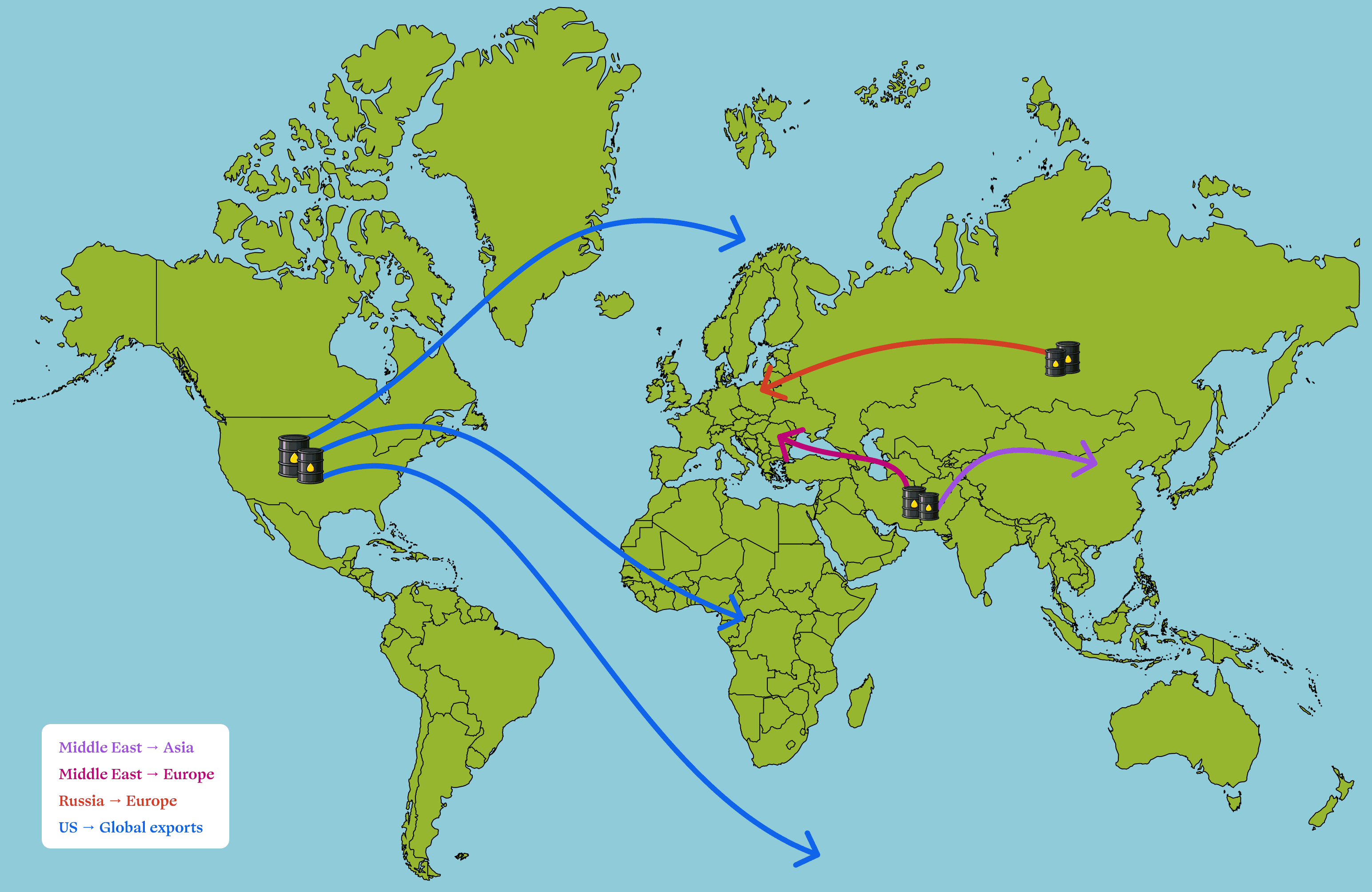
According to the International Energy Agency, oil accounts for roughly 30% of global energy consumption and remains essential for transportation, aviation, shipping, and petrochemicals. This is why economists often describe oil as a systemic commodity; a resource so deeply embedded in production systems that changes in its price affect the entire global oil market.
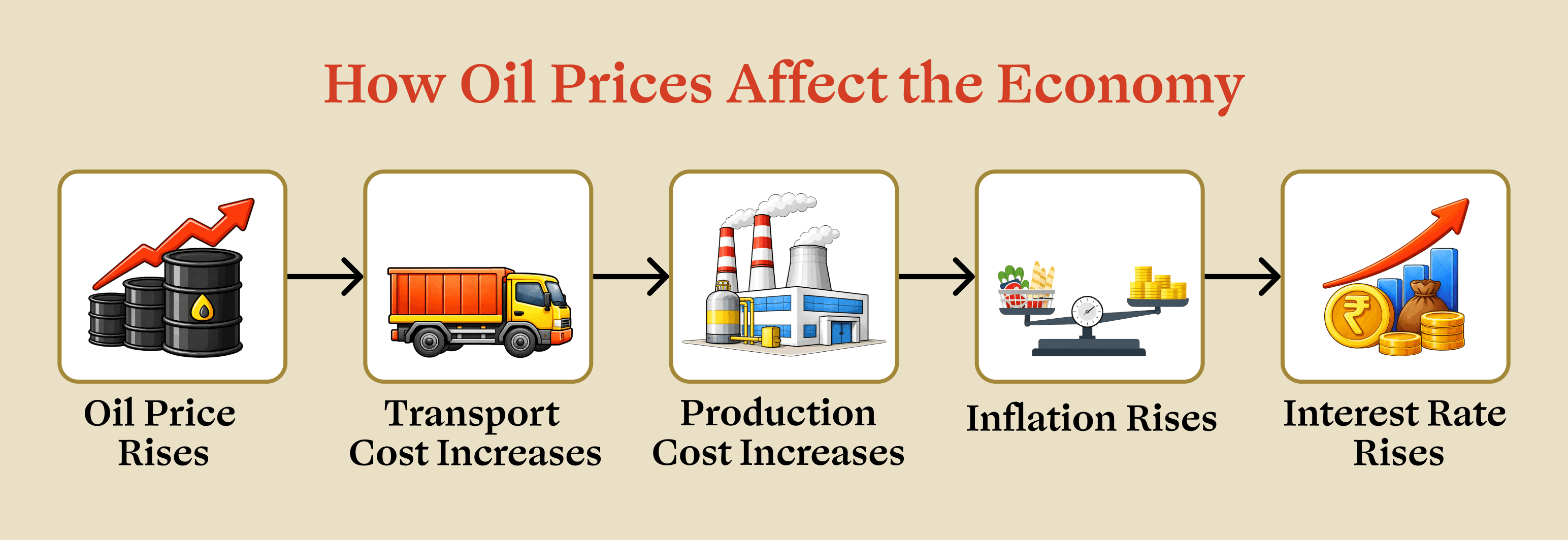
When oil prices rise, transportation costs increase. When transportation costs increase, businesses pay more to move goods. Eventually those costs show up in the prices consumers pay, creating a relationship between oil prices and inflation. This connection explains why governments, financial markets, and central banks closely monitor fluctuations in global oil demand and energy prices.
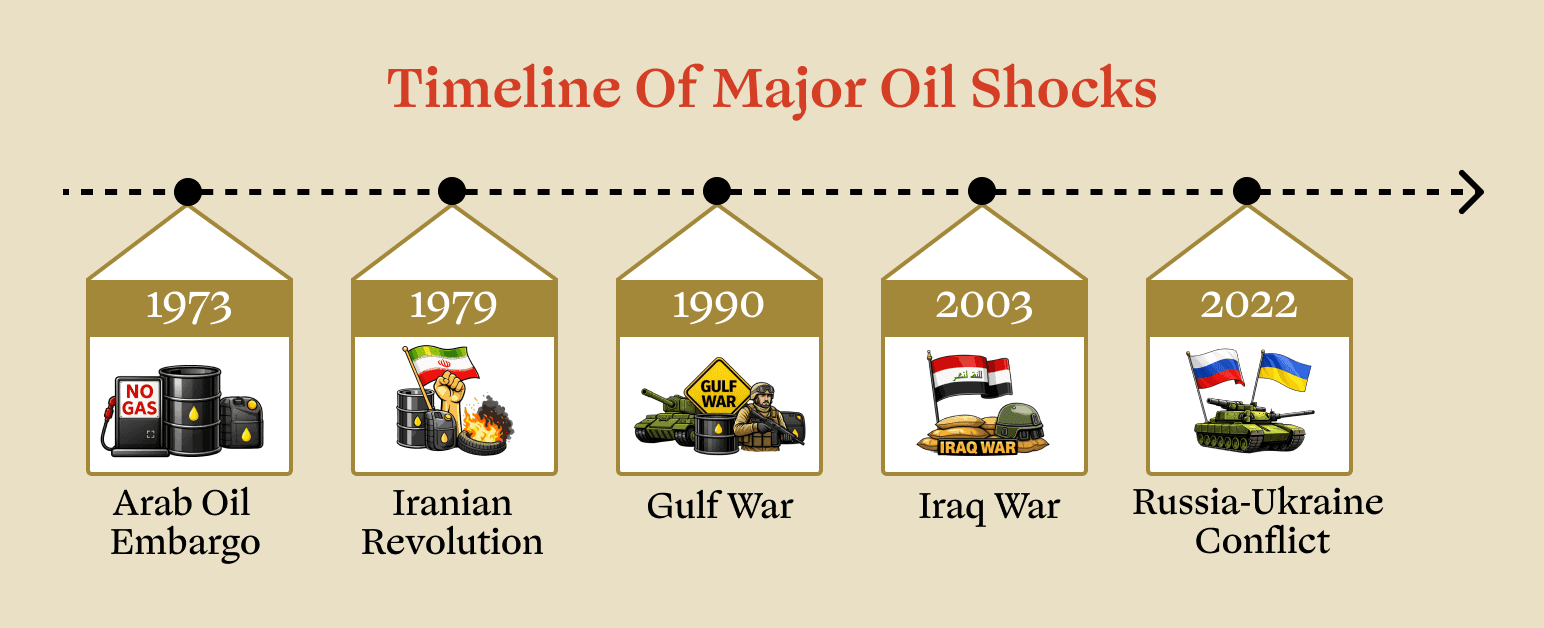
Historically, some of the world’s most severe economic disruptions have been triggered by oil shocks. But price shocks rarely appear randomly. They usually originate from something deeper; the geography of oil reserves.
The Global Oil Map: A Few Countries Hold the Majority
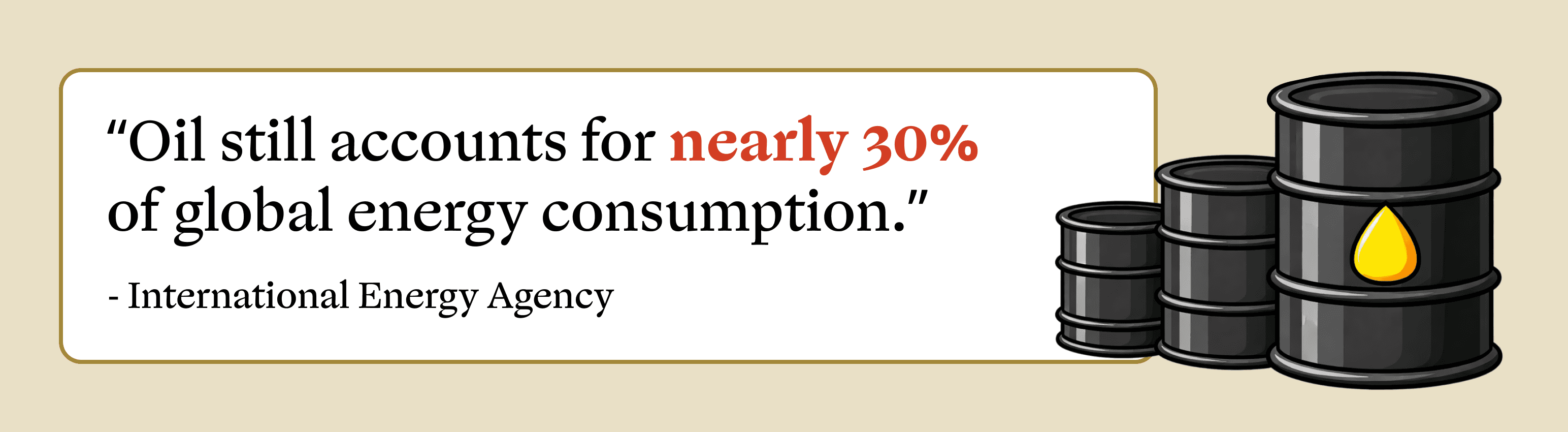
One of the most striking features of the global oil economy is its uneven geography. Oil is consumed everywhere, but world oil reserves are concentrated in a small number of regions.
Some of the countries controlling the largest proven reserves include:
Venezuela
Saudi Arabia
Canada
Iran
Iraq
Kuwait
United Arab Emirates
According to the OPEC (Organisation of the Petroleum Exporting Countries), member nations control over 70% of global oil reserves. This concentration means a relatively small number of oil producing countries hold enormous influence over the global oil supply.
When these countries increase or reduce production, global energy prices can move quickly. But controlling oil underground is only part of the story.
Because oil still needs to travel across oceans before it reaches consumers. And that journey depends on something surprisingly fragile: geography.
The World’s Most Dangerous Traffic Routes
Oil does not teleport from producers to consumers. It moves through a network of shipping routes that form the backbone of the global oil supply chain.
Many of these routes pass through narrow maritime corridors known as oil choke points. These are critical oil trade routes where a massive portion of the world’s energy supply passes through very small geographic areas.
Some of the most important include:
The Strait of Hormuz
Located between Iran and Oman, the Strait of Hormuz is the most important oil transit route in the world. Around 20 million barrels of oil per day, nearly one-fifth of global oil consumption; passes through this narrow corridor.
The Suez Canal
The Suez Canal connects the Mediterranean Sea to the Red Sea, allowing energy shipments to travel between Europe and Asia.
The Strait of Malacca
The Strait of Malacca connects Middle Eastern oil producers with Asia’s largest energy consumers.
Together, these narrow passages form the invisible arteries of the global oil supply, which raises an important question. What happens when conflict threatens these routes?
Why Wars Make Oil Markets Nervous
Energy markets do not wait for supply disruptions to occur. They react to the risk of disruption. This is where crude oil geopolitics becomes visible.
If conflicts occur near major oil producers or critical shipping routes, traders anticipate that supply could fall, and prices rise immediately. This dynamic explains how wars affect oil prices.
Even the possibility of conflict can introduce a risk premium into the global oil market. Historically, conflicts involving oil-producing regions have triggered dramatic price spikes. Because when supply fears rise, markets respond quickly.
But the consequences rarely stop with energy markets. Oil price movements often spread through the entire economy.
The Hidden Link Between Oil Prices and Inflation
Energy sits at the base of nearly every production process. Factories require electricity. Transport networks require fuel. Agriculture depends on fertilizers produced using petroleum-based inputs.
This is why economists study the relationship between oil prices and inflation so closely. When oil becomes more expensive, transportation and production costs increase across industries. Businesses eventually pass these higher costs to consumers. The result is cost-push inflation: one of the most common ways global energy shocks influence economic stability.
Few countries feel this relationship more strongly than large oil-importing economies. And one of the most significant among them is India.
Why India Is Particularly Vulnerable to Oil Shocks
India is the world’s third-largest oil consumer. Yet domestic production meets only a small portion of its needs. Understanding why India imports oil is essential to understanding its economic vulnerability.
Today, India imports over 80% of its crude oil requirements, much of it from the Middle East. This dependence means disruptions in the global oil supply, particularly near the Strait of Hormuz, can quickly affect India’s economy.
Higher oil prices can:
increase inflation
raise transportation costs
widen the trade deficit
weaken the currency
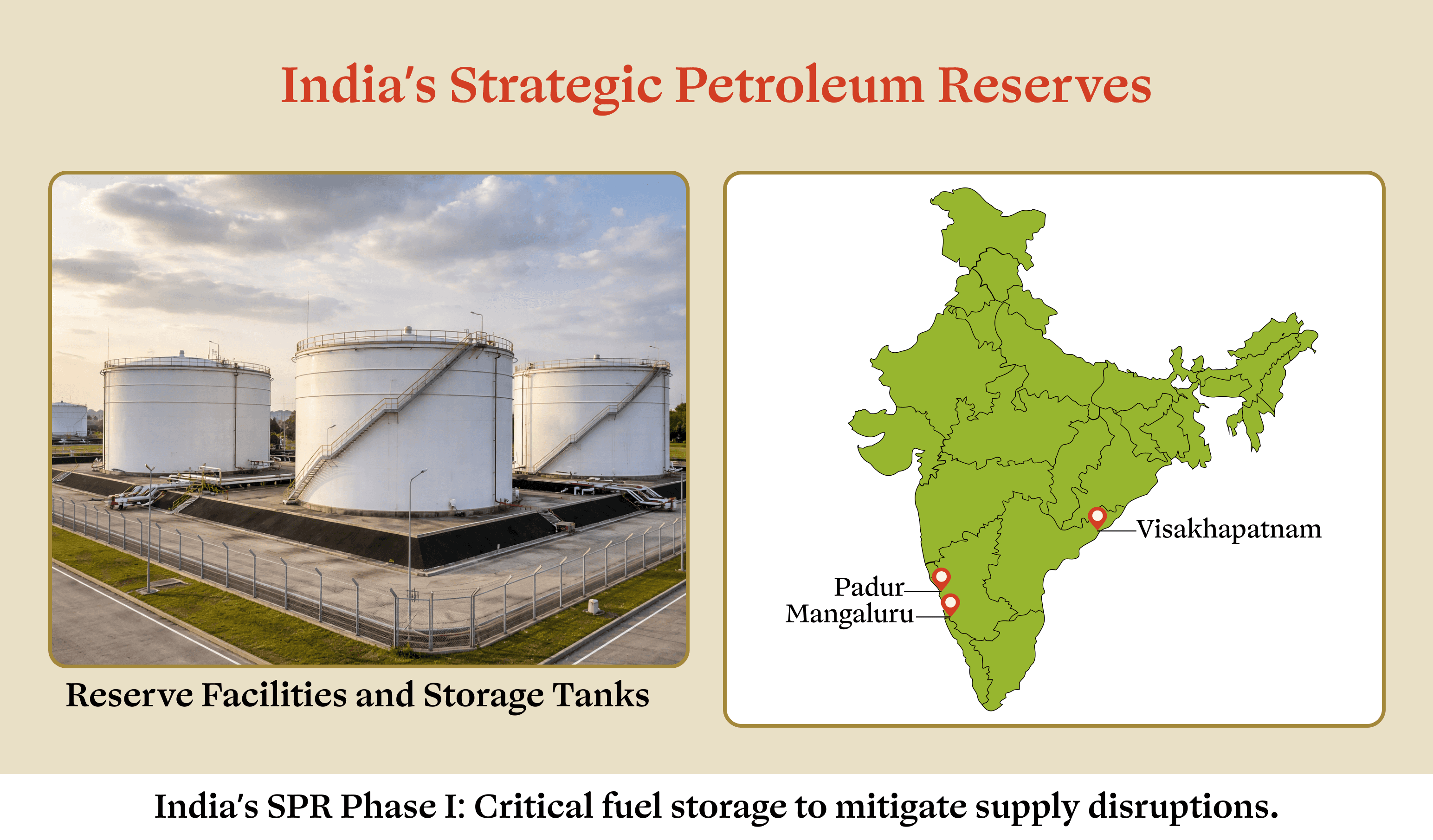
To improve its energy security, India has adopted several strategies. These include diversifying crude import sources and building strategic oil reserves in locations such as Visakhapatnam, Mangaluru, and Padur.
These reserves act as buffers during supply disruptions. But even with these safeguards, India remains closely tied to the stability of global oil markets.
The Oil System Few People Notice
When people think about global economic power, they often imagine stock exchanges, technology companies, or political institutions. Yet beneath all of these lies a quieter system: pipelines, tankers, refineries, and shipping routes connecting continents.
This system determines how the global oil supply chain moves energy across the world. And because oil remains central to modern industry, these networks continue to shape inflation, trade balances, and economic growth.
This means understanding oil is not just about energy. It is about understanding the structure of the global economy itself.

Newly Launched

Pockvue Solutions Private Limited
#1, CRE Spacez, 2nd Floor, 14th Main Road,
Sector 5, HSR Layout, Bengaluru - 560102