

How Gen Z in India spends: Trends, apps, and smart choices
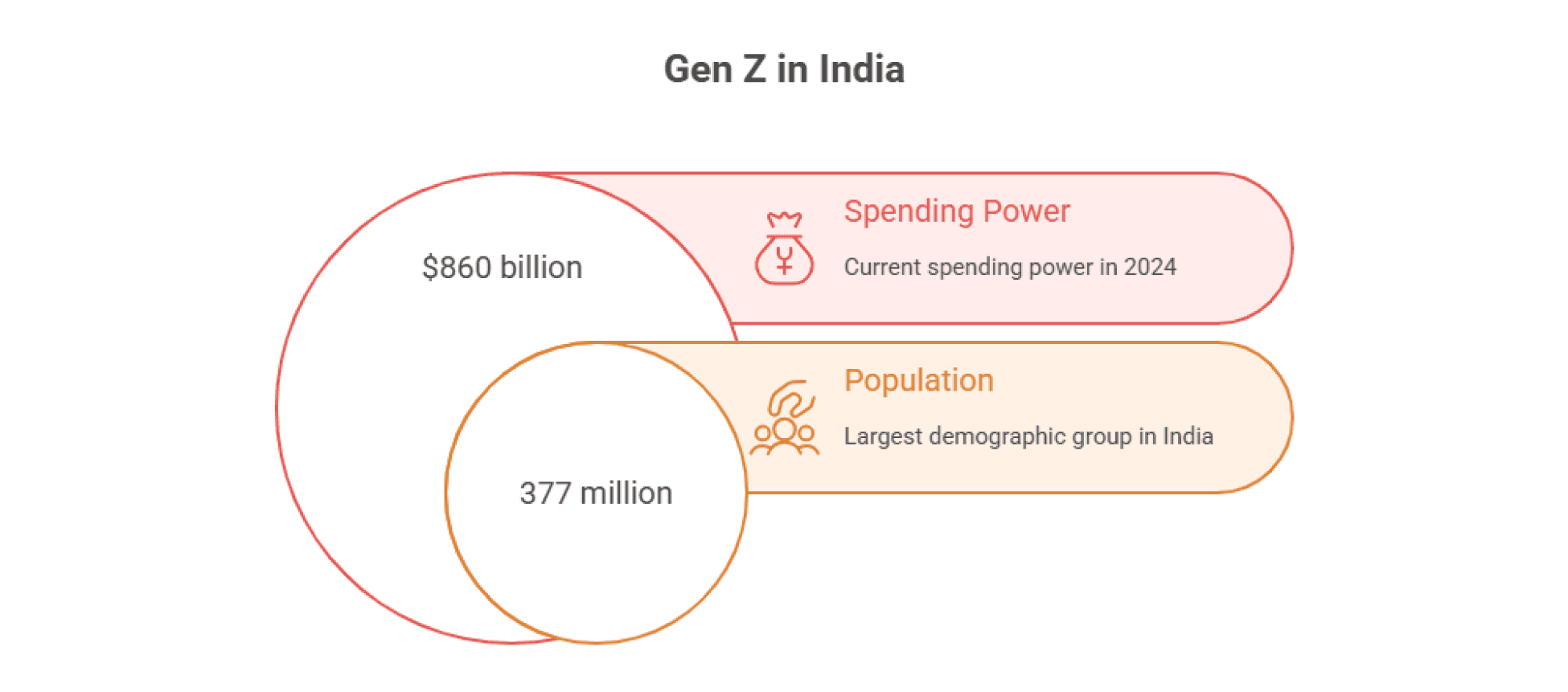
India’s Gen Z, a vibrant group of 377 million young people, is changing the way money is spent with their massive $860 billion spending power, set to reach $2 trillion by 2035. Born into a world of smartphones, social media, and economic shifts, they shop in ways that mix fun, trends, and smart choices. From sharing fashion hauls on Snapchat to hunting for eco-friendly products, Gen Z blends online and offline worlds, influenced by influencers, apps, and a desire to make a difference. This blog dives deep into their spending habits, exploring how they shop socially, use digital tools, and choose brands that match their values, all while balancing splurges with savings.
Who is Gen Z in India?
Gen Z in India, born between 1997 and 2012, numbers around 377 million, making them the country’s largest demographic group. Their spending power is approximately $860 billion in 2024, projected to soar to $2 trillion by 2035, according to a 2024 Snap Inc. and BCG report. Raised during rapid digital growth, economic shifts like the 2008 recession, and the post-COVID recovery, Gen Z is tech-savvy, trend-focused, and deeply connected to social media. Unlike older generations, they blend online and offline worlds effortlessly, shaped by India’s cultural emphasis on community and family alongside global influences from platforms like Instagram and YouTube. Their spending habits—driven by style, value, and social impact are reshaping retail, dining, and entertainment markets. This blog explores in detail how Gen Z spends their money, from their love for digital tools and trendy buys to their smart, purpose-driven choices.
How does Gen Z shop and share in India?
Gen Z transforms shopping into a social activity, a trend dubbed “shopcialising.” They make buying decisions while staying connected with friends and influencers online, often in real time. A 2024 Snap Inc. and BCG study reveals that 77% of Gen Z find augmented reality (AR) features like virtual try-ons engaging, making them 1.7 times more likely to prioritise trendy styles over legacy brands. On platforms like Snapchat, where 90% of daily active users in India are aged 13–34, 72% of Gen Z browse influencers’ posts, wish lists, or reels for inspiration. About 50% share their shopping hauls through photos, videos, or video calls with friends, compared to just 32% of millennials, creating a shared experience that blends fun and decision-making.
This social shopping trend dominates categories like fashion, beauty, food, and entertainment. For instance, 68% of urban Gen Z men spend monthly on clothing and accessories, driven by a desire to stay stylish rather than loyal to brands like Nike or Levi’s. Women in this group are equally active, with 65% regularly buying makeup or skincare products influenced by Instagram or YouTube tutorials. Food delivery apps like Zomato and Swiggy are also popular, with 60% of Gen Z ordering meals weekly, often sharing their food hauls on social media. Brands are tapping into this by offering interactive experiences, such as AR filters on Myntra for virtual outfit try-ons or IKEA’s app for visualising furniture in homes. These tools make shopping not just a purchase but a fun, shareable moment, aligning with Gen Z’s love for immersive experiences.
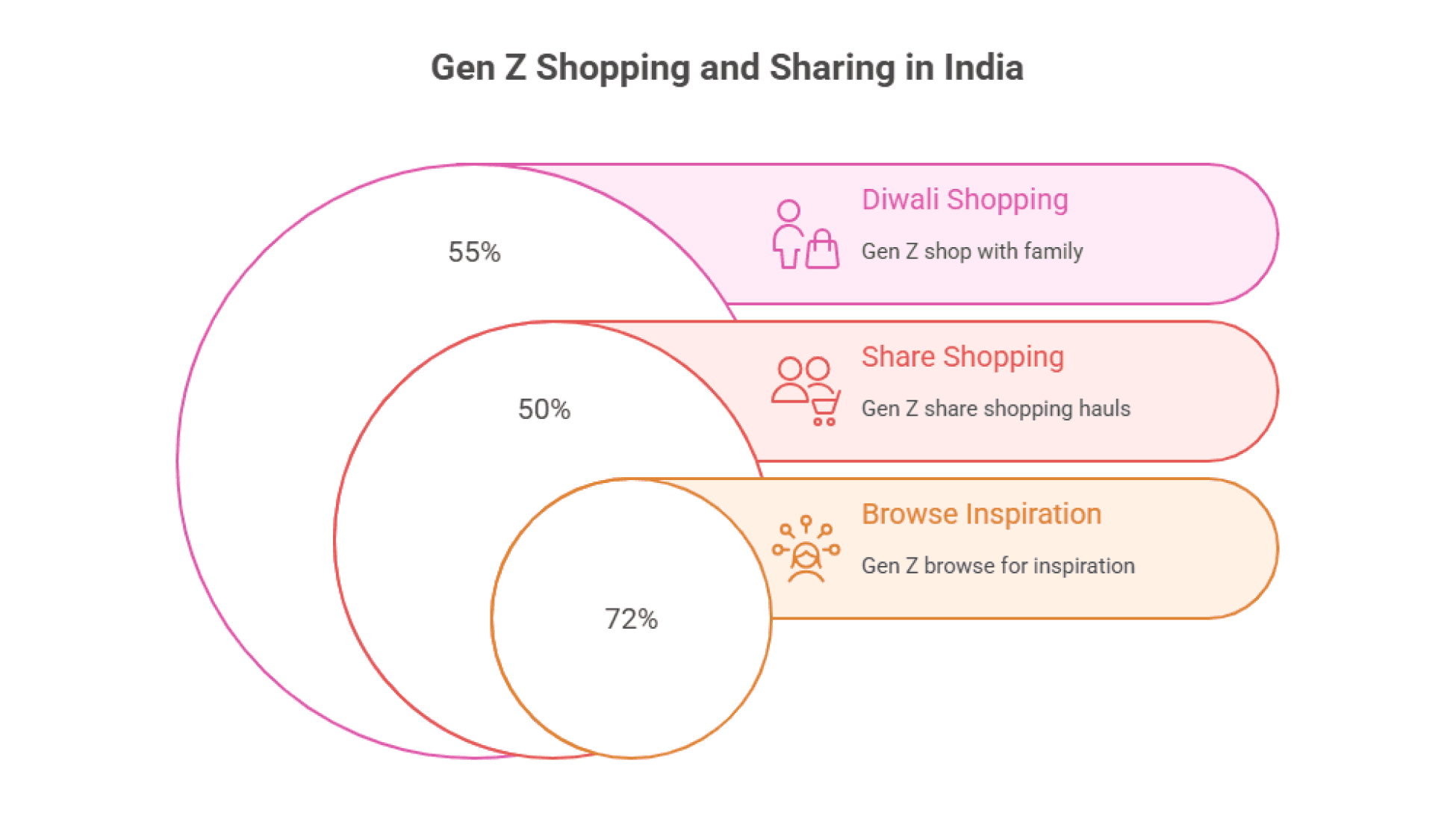
The cultural context of India amplifies this behaviour. Gen Z often involves family or close friends in big purchases, like electronics or festive outfits, reflecting a collectivist mindset. For example, during Diwali, 55% of Gen Z shop for clothes or gifts with input from siblings or parents, blending traditional values with modern trends. This mix of social and cultural influences makes their shopping uniquely dynamic.
Influencers shape their buys
Social media influencers are Gen Z’s trusted guides, far surpassing traditional ads in impact. A 2024 Statista survey shows 72% of Indian Gen Z rely on influencers for shopping ideas, compared to 49% of millennials. Influencers like Anushka Rathod, who simplifies personal finance, and Sharan Hegde, known for his “Finance with Sharan” reels, make money topics relatable, while lifestyle influencers drive trends in fashion, tech, and food. For example, the energy drink Prime, hyped by global YouTubers KSI and Logan Paul, saw Gen Z paying ₹1,500–₹2,000 for imported bottles before its 2024 India launch, despite India’s price-sensitive market. Similarly, beauty influencer Malvika Sitlani’s makeup recommendations have boosted sales for brands like Huda Beauty among Gen Z women.
Gen Z gravitates toward influencers who feel authentic and align with their values, such as sustainability or social justice. They are 1.5 times more likely than older generations to research purchases through friends’ opinions or influencer content, often cross-checking reviews on X or Reddit. Micro-influencers, with 10,000–50,000 followers, are particularly effective, as 60% of Gen Z find them more relatable than mega-influencers. For instance, local food bloggers in cities like Mumbai or Bengaluru drive Gen Z to try new cafes or street food spots, with 45% visiting based on Instagram reels. Brands are responding with interactive campaigns, like Nykaa’s virtual beauty webinars or Puma’s influencer-led fitness challenges, which boost engagement by fostering a sense of community.
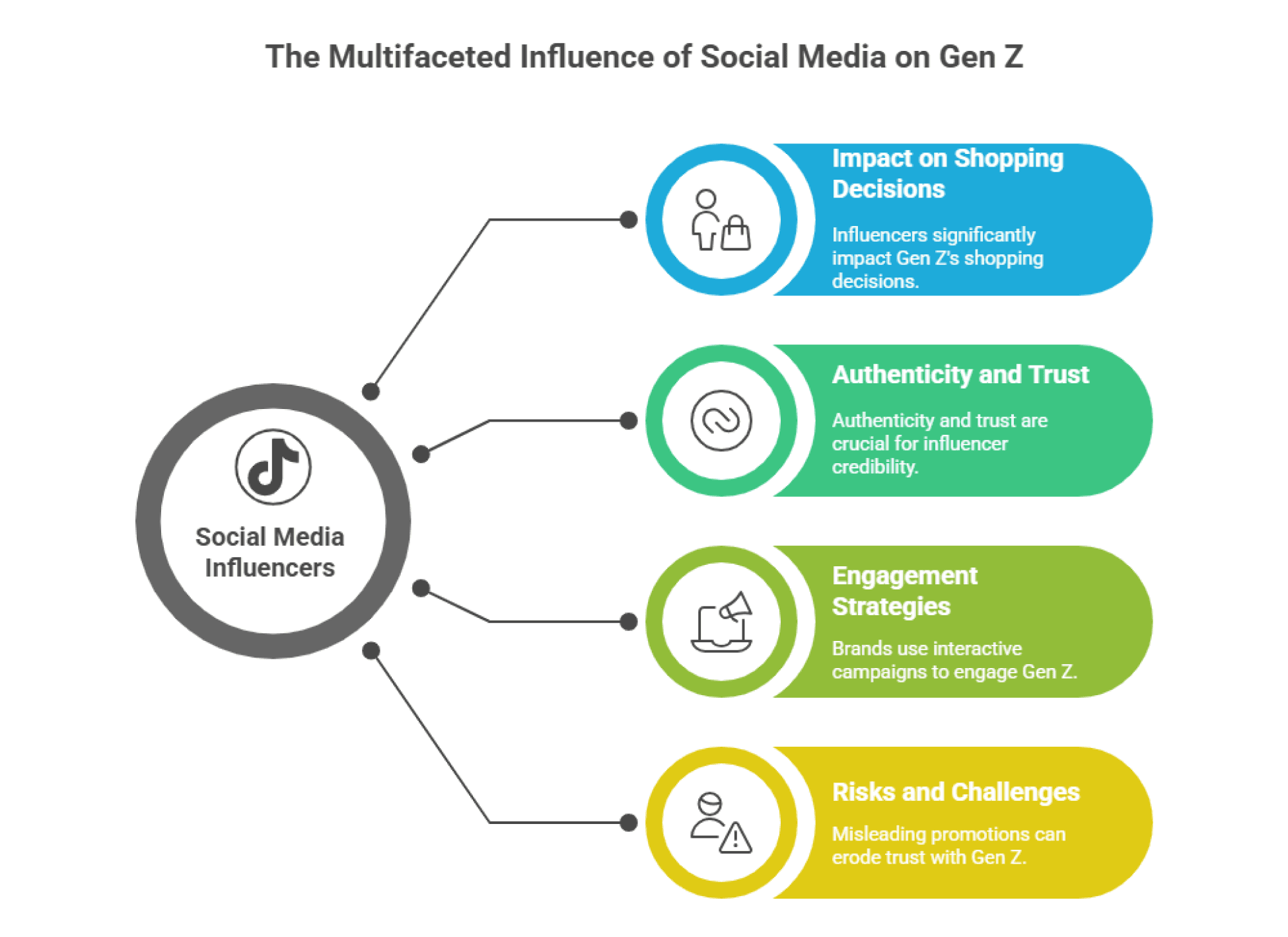
However, this reliance on influencers comes with risks. Misleading promotions or lack of transparency can erode trust, with 30% of Gen Z saying they have stopped following influencers who push inauthentic products. Brands must choose partners carefully to maintain credibility with this skeptical yet influential demographic.
How does Gen Z balance saving and splurging in India?
Gen Z’s spending reflects a balance between thriftiness and indulgence, shaped by economic volatility. A 2023 Mintel study notes that 50% of Indian consumers, including Gen Z, crave instant gratification from spending, but Gen Z pairs this with careful budgeting. About 80% buy secondhand items, like clothes or electronics, to save money and support sustainability, with platforms like OLX and Depop gaining traction. Discount stores like D-Mart attract 48% of Gen Z shoppers, while only 9% splurge on luxury brands like Gucci or Apple. This frugality stems from growing up during the 2008 recession and post-COVID inflation, making them value-conscious.
Buy now, pay later (BNPL) services, like Simpl or LazyPay, are a hit, with 55.1% using them for flexibility and lower interest compared to credit cards. For example, 40% of Gen Z use BNPL for electronics like earbuds or smartphones, spreading costs over months. Yet, they do not shy away from fun spending: they allocate $157 monthly to entertainment (movies, concerts, streaming services like Netflix) and $1,885 yearly to pets, outpacing older generations. Specific splurges include gaming gear, with 35% of Gen Z men buying consoles or accessories, and travel, with 25% prioritising weekend getaways or music festivals.
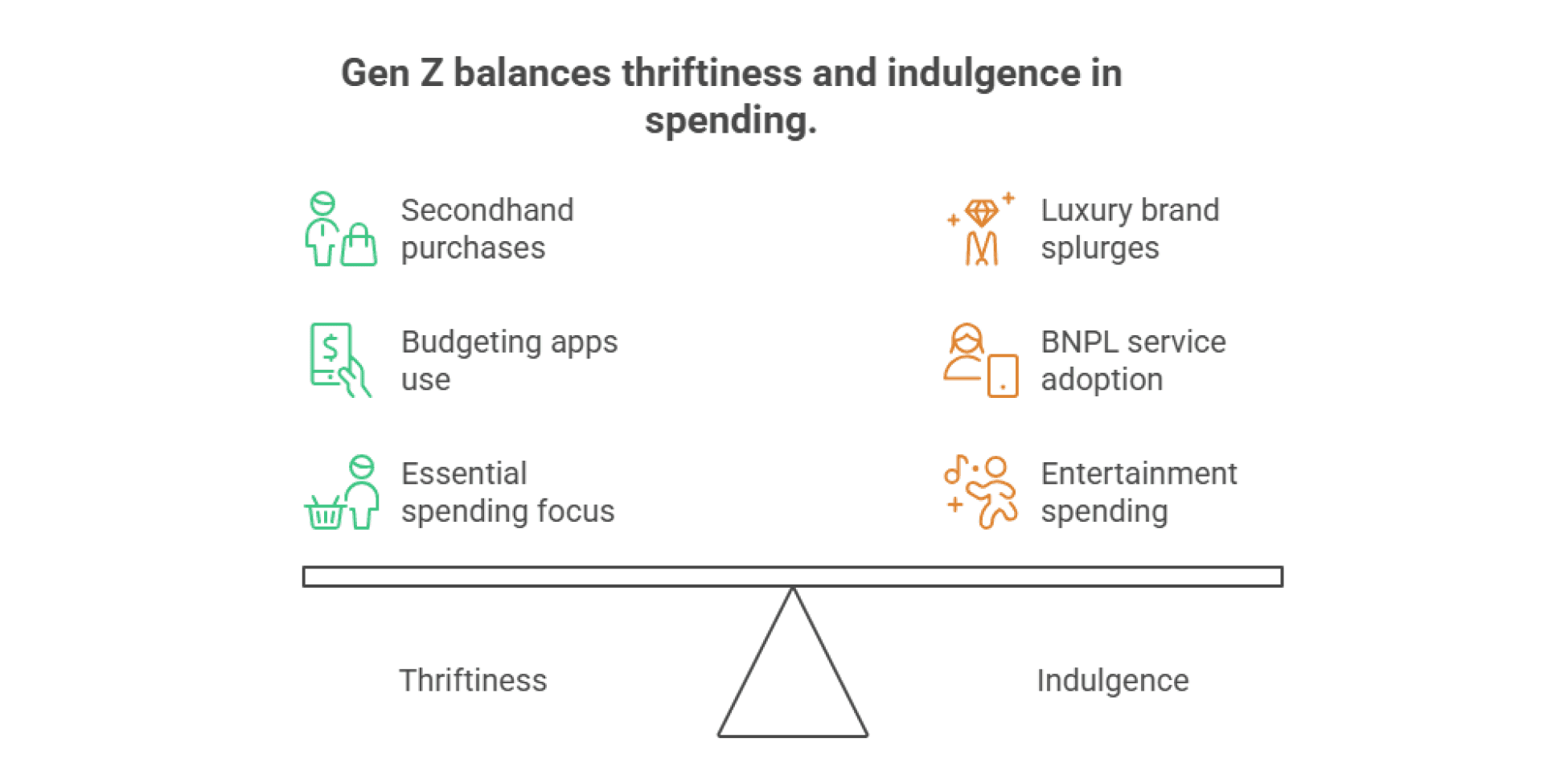
This balance reflects their mindset: enjoy now, but plan for later. Around 30% use budgeting apps to track essentials like groceries or rent, and 45% are optimistic about their finances improving within a year, per a 2024 NielsenIQ report. Their spending also varies by region—urban Gen Z in metros like Delhi or Bangalore spend 20% more on lifestyle categories than their semi-urban or rural peers, who prioritise essentials like education or family support.
Living in a digital shopping world
Gen Z’s spending is deeply digital, with 80% of purchases made online via platforms like Amazon, Flipkart, or Nykaa. Money management apps like Wally, Walnut, and ET Money are popular, with 50% of Gen Z using them to monitor expenses. The Unified Payments Interface (UPI), like Google Pay or PhonePe, is used by 68% for its speed and cashback perks, especially for small transactions like street food or bus tickets. Credit cards are gaining ground, with 46% using them for rewards (e.g., Amazon Pay ICICI) and 36% for convenience, but 42% find financial apps clunky, urging brands to simplify interfaces.
Emerging tech excites Gen Z, with 90% interested in live commerce (e.g., Flipkart’s live sales) and virtual try-ons for clothes or makeup. Direct-to-consumer (D2C) brands like Mamaearth or Boat thrive, with 70% of Gen Z buying from them in 2022 for affordable, eco-friendly products. For instance, Boat’s earbuds, priced under ₹2,000, dominate among Gen Z for their trendy design and influencer endorsements. Social commerce is also growing—30% buy directly via Instagram or WhatsApp shops, especially for local brands or handmade goods.
However, digital reliance raises concerns. Data privacy worries 65% of Gen Z, and 25% have faced phishing scams, per a 2024 Tickertape study. This highlights a gap in digital literacy, as only 20% feel confident spotting fraudulent links. Brands and policymakers need to prioritise education on safe online practices to protect this tech-savvy group.
Why does Gen Z in India shop with purpose?
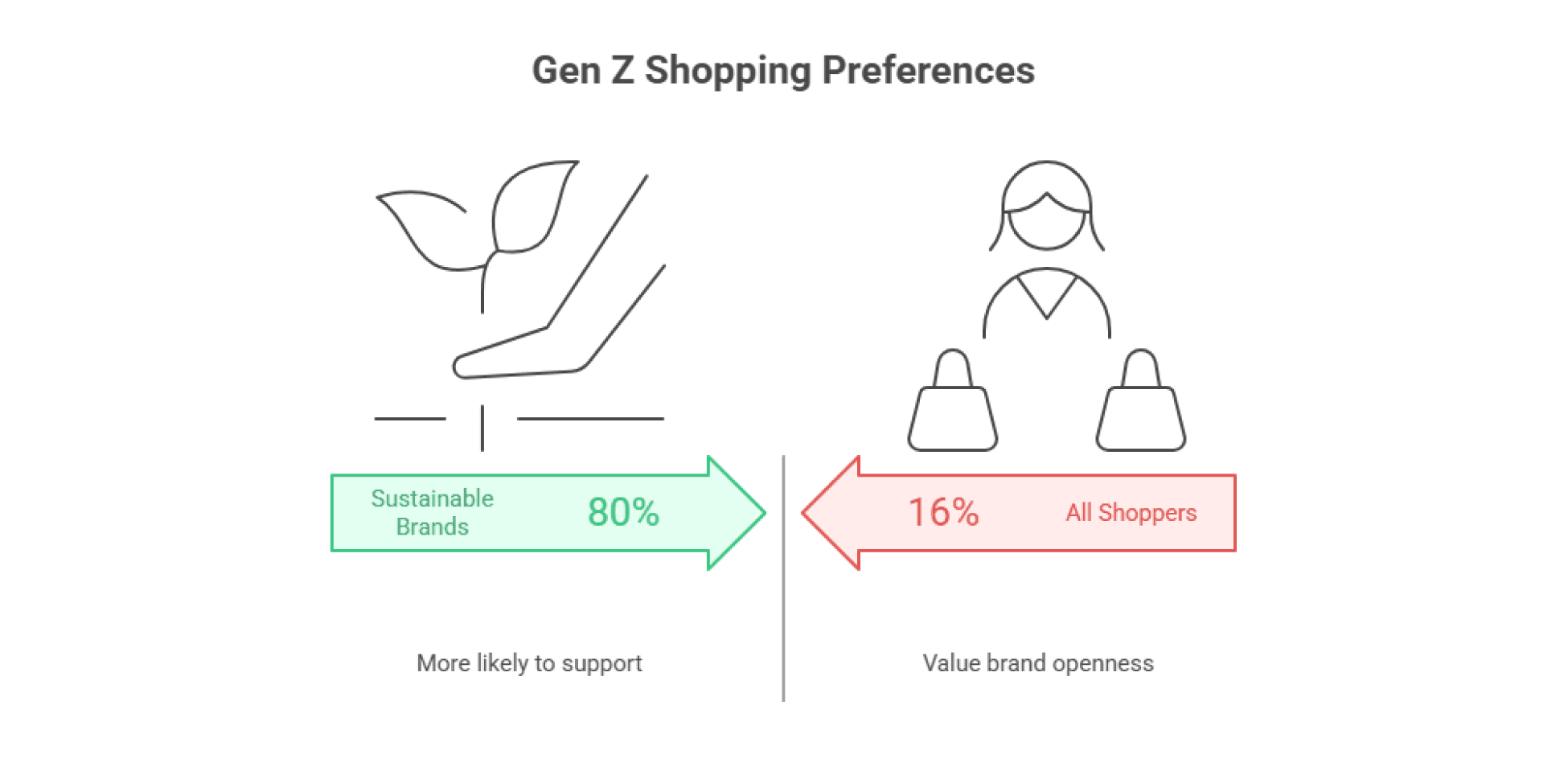
Gen Z’s spending is purpose-driven, with 80% more likely to support sustainable brands. They favour companies with eco-friendly practices, like sustainable packaging or reduced carbon emissions, and are willing to pay 10–15% more for such products. For example, 42% bought secondhand clothes in 2023 via apps like Poshmark or local thrift stores, motivated by cost savings and environmental impact. Vegan leather bags or organic skincare from brands like The Body Shop are also popular, with 35% prioritising cruelty-free products.
Transparency is non-negotiable—25% of Gen Z value brand openness, compared to 16% of all shoppers. Fast fashion brands like Shein face scrutiny, with 40% of Gen Z avoiding them due to unethical labour practices, per a 2024 Ecocart.io report. Cultural events like eco-friendly Ganesh Chaturthi celebrations inspire 30% to buy sustainable decor, blending tradition with modern values. Brands that fail to communicate their ethics risk losing Gen Z, who use X and Reddit to call out greenwashing.
The future of Gen Z spending
With their spending power projected to grow from $860 billion to $2 trillion by 2035, Gen Z will continue to redefine India’s consumer landscape. Their passion for social shopping, influencer-driven purchases, and balanced spending habits is pushing businesses toward digital-first, ethical, and experiential strategies. While their tendency to spend more than they save raises concerns for long-term financial stability, their optimism, adaptability, and values-driven mindset make them a powerful force in India’s fast-evolving economy. Brands must act swiftly—connecting authentically, innovating with AR and live commerce, and meeting Gen Z both online and offline to capture this dynamic market.
Manage money like Gen Z—budget bold, spend green, or chase unique experiences?

Newly Launched


Pockvue Solutions Private Limited
#1, CRE Spacez, 2nd Floor, 14th Main Road,
Sector 5, HSR Layout, Bengaluru - 560102