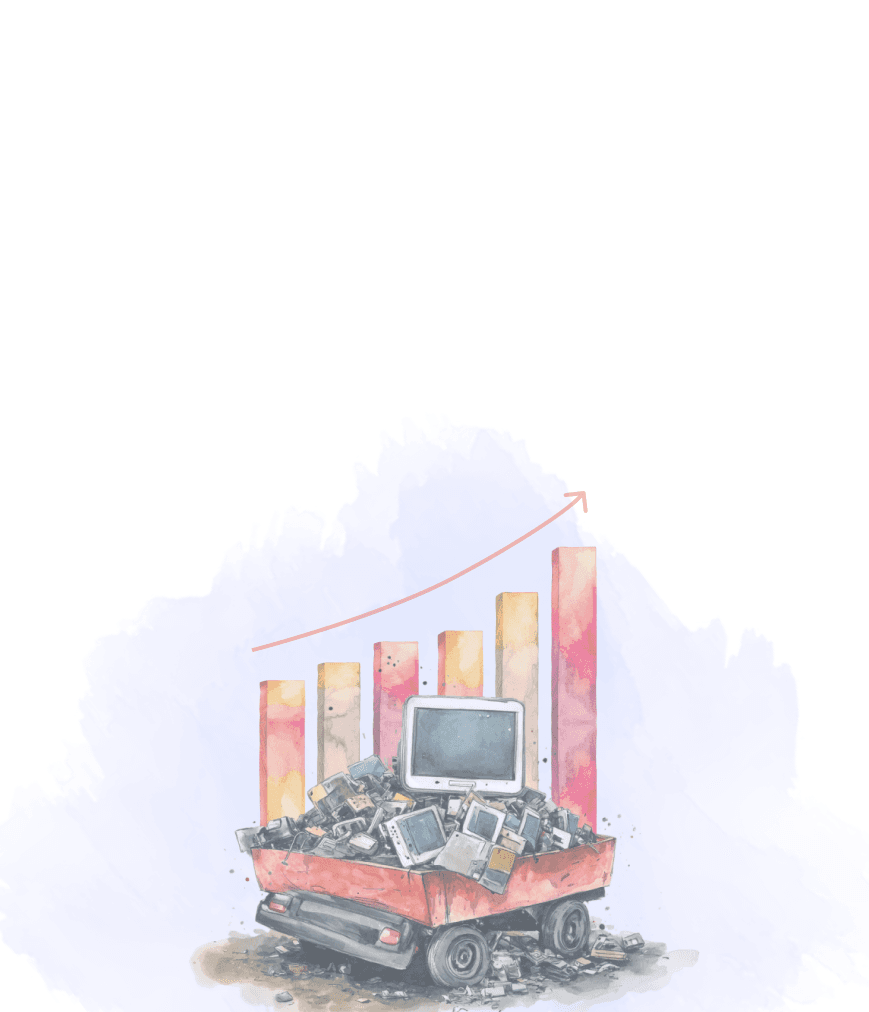

Have you noticed how your phone slows down after a year, or your TV stops working just after the warranty ends? Maybe your fridge or mixer breaks, and repairing it costs almost as much as buying a new one. This isn’t always by chance; it’s often planned. This strategy is called planned obsolescence, and it’s designed to make you spend money again and again. Let’s understand what it is, how it affects us , and what we can do about it
What is planned obsolescence?
Planned obsolescence is when companies make products that don’t last long on purpose. They want you to replace them quickly so they can sell more. For example, your phone’s battery might weaken in a year, or your laptop might not support new software updates. This makes you feel like you need to buy a new one.

This idea started long ago when companies realised that if products lasted forever, people wouldn’t buy new ones. In India, where we value “paisa vasool” (getting full value for money), this can feel like a cheat.
How do companies do this?

Companies use different tricks to make products “expire” early. Here are the main ones:
Products that break early: Some items, like phone batteries or cheap earphones, are made to wear out fast. For example, your charger cable might fray after a few months.
New models make old ones feel useless: Every year, companies launch new phones or gadgets with small changes. They stop updating old models, so your phone feels slow or outdated.
Fashion and trends: Companies make you feel your old clothes, shoes, or even furniture are “out of style.” You might buy new ones to stay trendy, even if the old ones are fine.
Hard to repair: Many products, like smartphones or mixers, are tough to fix. Spare parts are expensive or not available, and repair shops charge a lot. So, you end up buying a new one.
Not compatible: New gadgets sometimes don’t work with older ones. For example, a new phone might need a different charger, forcing you to buy new accessories.
Why do companies do this?
For companies, planned obsolescence is a clever way to keep their business growing and making money. Here’s why they use this strategy:

Planned obsolescence helps companies grow by encouraging repeat purchases. When a product breaks down or becomes outdated, customers often replace it, keeping the company’s cash flow steady.
Releasing new models with small upgrades like a better camera or bigger screen tempts customers to buy again. In India, where new phone launches are major events, many people want the latest model to stay trendy.
Regular sales help companies cover their costs, including employee salaries, factory operations, and marketing. It also funds innovation, such as designing improved appliances or new technology.
By making products that won’t last forever, companies can predict when people will need replacements. This helps them plan production and time new launches effectively.
Frequent model releases keep a brand in the spotlight. If customers like a product, they’re more likely to buy from the same brand again, building loyalty over time.
Customers often need new accessories when upgrading, like chargers, cases, or compatible parts, which adds to company profits.
However, this strategy has downsides. It costs consumers more money and time, reduces trust, and contributes to environmental harm by increasing waste and depleting resources. In India, where many people save for quality products, this can feel especially unfair.
Why is this a problem?
Planned obsolescence hurts us in many ways, especially in India, where many people save hard to buy things. Here’s how:
Wastes money: Replacing phones, TVs, or appliances often is expensive. It’s frustrating when things don’t last as long as they should.
Harms the environment: Throwing away old products creates e-waste (electronic waste). In India, e-waste is a growing problem—piles of old phones, chargers, and gadgets pollute our land and water.
Uses up resources: Making new products needs materials like metals and plastic, which harm nature. It also uses a lot of electricity and water.
Hurts budgets: For many Indian families, buying new things often is tough. It’s harder for people who don’t have extra money to keep up.
How are people fighting back?
Good news: people around the world are starting to push back! Here’s what’s happening:

Right-to-repair: Some countries are making rules so companies must provide spare parts and repair guides. In India, we’re starting to see more repair shops and online tutorials for fixing things.
Long-lasting products: Some brands make durable products. For example, certain Indian companies sell sturdy mixers or fans that last years.
Smarter shopping: People are reading reviews online to buy products that last longer. Apps like Amazon or Flipkart have ratings that help you choose wisely.
Recycling: Some companies take back old phones or gadgets to recycle them. In India, brands like Samsung and Xiaomi have recycling programs.
What can you do?
You don’t have to fall for planned obsolescence. Here are simple tips to save money and make things last:
Buy smart: Check online reviews to find products that last longer. Look for brands known for quality, like Godrej or Bajaj for appliances.
Repair instead of replace: Visit local repair shops or watch YouTube videos to fix small issues, like a phone battery or a fan motor.
Say no to trends: Don’t buy a new phone or outfit just because it’s “in.” Use what you have if it still works.
Choose repairable products: Pick items that are easy to fix, like phones with removable batteries (if available) or appliances with spare parts.
Spread awareness: Talk to friends and family about planned obsolescence. Share tips on buying smart and repairing things.
Shaping a future of lasting value
Planned obsolescence pushes us to spend more than we should, but it clashes with our Indian value of getting the most out of every rupee. We deserve products that are reliable, long-lasting, and kind to our wallets and the planet. By choosing durable goods, supporting brands with strong warranties and recycling programs, and sharing smart shopping tips with our communities, we can drive a shift toward sustainability. Whether you’re a student, professional, or homemaker, your choices matter: let’s demand quality, embrace repairs, and build a future where value truly lasts.

Have you beaten planned obsolescence by fixing a gadget or picking a trusted brand?

Newly Launched


Pockvue Solutions Private Limited
#1, CRE Spacez, 2nd Floor, 14th Main Road,
Sector 5, HSR Layout, Bengaluru - 560102